In today’s fast-paced industrial landscape, efficiency and precision are paramount. Valve actuators play a crucial role in automating industrial processes, enabling precise control and monitoring of valves in various applications. This article delves into the world of valve actuators, exploring their types, benefits, and applications, with a special focus on the CQKB24-SR-RR model and its contribution to streamlining industrial automation.
What are Valve Actuators?
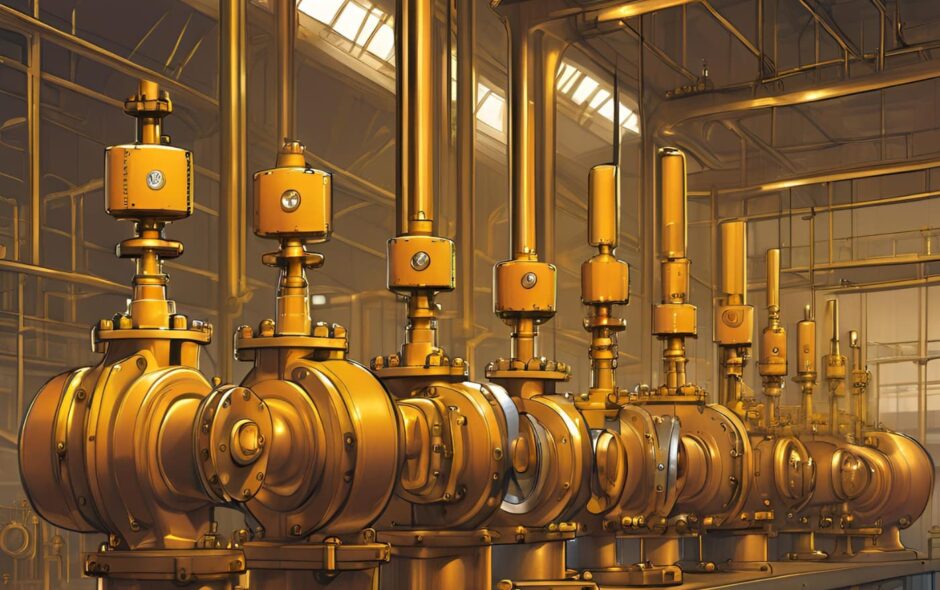
Valve actuators are devices that automate the operation of valves, eliminating the need for manual intervention. They provide the force necessary to open or close a valve, allowing for remote control and integration into automated systems. By automating valve operation, actuators enhance efficiency, safety, and accuracy in industrial processes.
Types of Valve Actuators
Valve actuators are broadly categorized based on their power source:
- Pneumatic Actuators: These actuators utilize compressed air to generate the force required to operate the valve. They are known for their reliability, simplicity, and cost-effectiveness.
- Electric Actuators: Electric actuators use an electric motor to provide the motive force. They offer precise control, easy integration with control systems, and environmental friendliness.
- Hydraulic Actuators: Hydraulic actuators employ hydraulic fluid to generate force. They are suitable for high-force applications and offer excellent control and responsiveness.
- Manual Actuators: While not strictly “actuators” in the automated sense, manual actuators like handwheels and levers are still used in some applications for direct human operation.
Benefits of Using Valve Actuators
The adoption of valve actuators offers numerous advantages in industrial settings:
- Increased Efficiency: Automation eliminates manual intervention, speeding up processes and reducing labor costs.
- Improved Safety: Actuators can operate valves in hazardous or inaccessible locations, protecting personnel from potential risks.
- Enhanced Accuracy: Actuators provide precise control over valve position, ensuring accurate flow regulation and process stability.
- Remote Operation: Actuators enable remote operation of valves, allowing for centralized control and monitoring.
- Integration with Control Systems: Actuators can be seamlessly integrated with control systems, enabling automated process optimization and data acquisition.
Applications of Valve Actuators
Valve actuators find wide-ranging applications across diverse industries:
- Oil and Gas: In refineries and pipelines, actuators control the flow of oil and gas, ensuring safe and efficient operations.
- Chemical Processing: Actuators are crucial for precise control of chemical reactions and processes, maintaining product quality and safety.
- Power Generation: In power plants, actuators regulate steam flow, water flow, and other critical processes.
- Water and Wastewater Treatment: Actuators control valves in water treatment plants and distribution systems, ensuring efficient water management.
- Pharmaceutical Industry: Actuators maintain precise control over fluid flow and pressure in pharmaceutical manufacturing processes.
- Food and Beverage Industry: Actuators ensure hygienic and precise control of ingredients and processes in food and beverage production.
CQKB24-SR-RR: A Closer Look
The CQKB24-SR-RR is a specific model of a valve actuator, though without further manufacturer details, it’s impossible to give exact specifications. However, we can discuss what this type of nomenclature typically indicates in the valve actuator world.
- CQKB: This likely refers to a specific manufacturer or series designation. Manufacturers often use unique codes to identify their products.
- 24: This number could indicate the actuator size, torque rating, or some other key performance characteristic.
- SR: These letters might represent specific features or configurations, such as the actuator’s spring return mechanism (SR often stands for Spring Return). Spring return actuators automatically return to a default position (usually closed) when power is lost, which is critical for safety in many applications.
- RR: This could denote a specific type of control signal or feedback mechanism, such as a rotary position indicator.
To get precise information on the CQKB24-SR-RR, it’s best to consult the manufacturer’s documentation or contact their sales representatives.
Choosing the Right Valve Actuator
Selecting the appropriate valve actuator requires careful consideration of several factors:
- Application Requirements: The type of valve, required torque, operating pressure, and flow characteristics are crucial factors.
- Power Source: Choose the actuator type (pneumatic, electric, or hydraulic) based on the availability of utilities and application needs.
- Control Signal: Determine the type of control signal required (e.g., 4-20mA, digital) to ensure compatibility with the control system.
- Environmental Conditions: Consider factors like temperature, humidity, and potential exposure to hazardous materials when selecting actuator materials and enclosures.
- Safety Requirements: For critical applications, consider actuators with fail-safe features, such as spring return or emergency shutdown capabilities.
Installation and Maintenance of Valve Actuators
Proper installation and maintenance are vital for the reliable operation of valve actuators:
- Proper Mounting: Ensure the actuator is correctly mounted on the valve to prevent misalignment and damage.
- Electrical Connections: For electric actuators, ensure proper wiring and grounding to prevent electrical hazards.
- Air Supply: For pneumatic actuators, provide clean and dry compressed air within the specified pressure range.
- Regular Inspection: Regularly inspect the actuator for any signs of wear, damage, or leakage.
- Lubrication: Lubricate moving parts as recommended by the manufacturer to ensure smooth operation.
- Calibration: Periodically calibrate the actuator to maintain accuracy and responsiveness.
Future Trends in Valve Actuator Technology
The field of valve actuator technology is constantly evolving, with several trends shaping its future:
- Smart Actuators: Integration of sensors and microprocessors enables intelligent monitoring, diagnostics, and predictive maintenance.
- Wireless Communication: Wireless communication protocols allow for remote monitoring and control, reducing wiring costs and complexity.
- Energy Efficiency: Focus on developing energy-efficient actuators to minimize operating costs and environmental impact.
- Advanced Materials: Use of advanced materials like composites and high-strength alloys to improve durability and performance.
Conclusion
Valve actuators are indispensable components in modern industrial automation. They enhance efficiency, safety, and precision in various processes across diverse industries. Understanding the different types of actuators, their benefits, and selection criteria is crucial for successful implementation. As far as industrial automation goes, valve actuators like the CQKB24-SR-RR play a pivotal role in optimizing operations and driving productivity. By staying abreast of the latest trends and advancements in valve actuator technology, businesses can further enhance their automation strategies and achieve operational excellence.