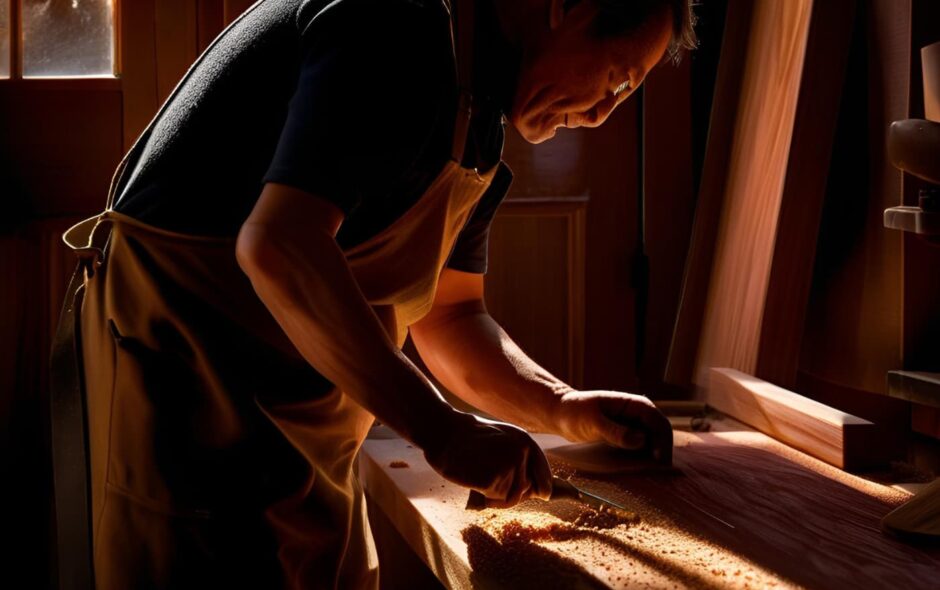
Wooden doors possess a timeless elegance and character that can enhance any home or building. Years of exposure to the elements, wear and tear, and neglect can take a toll on their beauty. However, with the right techniques and a bit of patience, wood door restoration can breathe new life into these architectural gems, revealing their inherent charm and extending their lifespan for generations to come. This comprehensive guide delves into the art of wood door restoration, providing step-by-step instructions and expert tips to help you achieve stunning results.
Assessing the Damage and Planning Your Approach
Before embarking on the restoration journey, it’s crucial to assess the extent of the damage and formulate a plan of action.
1. Identifying the Issues
Carefully inspect the door for signs of damage, such as:
- Rotting wood: Soft or spongy areas indicate wood rot, often caused by moisture exposure.
- Cracks and splits: These can occur due to weather fluctuations or physical impact.
- Peeling paint or varnish: This is a common issue caused by aging, sun exposure, or improper finishing techniques.
- Damaged hardware: Rusted hinges, broken knobs, or damaged locks can hinder functionality and aesthetics.
2. Determining the Scope of Restoration
Based on the assessment, determine the level of restoration required.
- Minor repairs: Addressing minor cracks, scratches, or surface damage.
- Moderate restoration: Repairing moderate rot, replacing damaged panels, or stripping and refinishing the door.
- Major overhaul: Addressing extensive rot, structural damage, or complete door reconstruction.
3. Gathering the Necessary Tools and Materials
Once you have a clear understanding of the repair scope, gather the necessary tools and materials. This may include:
- Safety equipment: Gloves, safety glasses, and a dust mask.
- Cleaning supplies: Wood cleaner, degreaser, and rags.
- Repair materials: Wood filler, epoxy, sandpaper, paint stripper, and wood glue.
- Finishing supplies: Primer, paint, stain, varnish, and brushes.
- Hardware: Hinges, knobs, locks, and screws.
Step-by-Step Wood Door Restoration Guide
With your tools and materials ready, it’s time to begin the restoration process.
1. Preparing the Work Area
Choose a well-ventilated area, preferably outdoors or in a garage. Lay down drop cloths to protect the surrounding surfaces. If working indoors, ensure proper ventilation to avoid inhaling fumes from paint strippers or other chemicals.
2. Removing the Door
Carefully remove the door from its hinges and lay it flat on a stable work surface. This allows for easier access and prevents strain on the hinges during the restoration process.
3. Stripping the Old Finish
If the door has an existing finish, use a paint stripper to remove it. Follow the manufacturer’s instructions carefully and wear protective gear to avoid skin contact or inhalation. Once the finish is removed, use a scraper to remove any residue and sand the surface smooth.
4. Repairing Damage
Address any damage to the wood, such as:
- Filling cracks and holes: Use wood filler or epoxy to fill cracks, holes, or gaps. Allow the filler to dry completely and sand it smooth.
- Repairing rot: Remove any rotted wood using a chisel or rotary tool. Replace the damaged sections with new wood, ensuring a snug fit.
- Reinforcing joints: If the joints are loose or weakened, reinforce them with wood glue and screws.
5. Sanding the Surface
Sand the entire door surface with progressively finer grits of sandpaper. This creates a smooth surface for the new finish to adhere to and removes any remaining imperfections.
6. Priming and Painting/Staining
Apply a primer to the prepared surface, allowing it to dry completely. Then, apply your chosen paint or stain in thin, even coats. Follow the manufacturer’s instructions for drying times between coats. For a durable finish, consider applying a topcoat of varnish or sealant.
7. Reinstalling Hardware
Once the finish is completely dry, reinstall the hardware, including hinges, knobs, and locks. Ensure everything is properly aligned and functioning smoothly.
8. Rehanging the Door
Carefully rehang the door on its hinges, ensuring it swings freely and closes properly. Adjust the hinges if necessary to achieve a perfect fit.
Preserving Your Restored Door
After investing time and effort in restoring your wood door, it’s essential to take steps to preserve its beauty and extend its lifespan.
1. Regular Cleaning
Clean the door regularly with a mild wood cleaner to remove dirt and grime. Avoid harsh chemicals or abrasive cleaners that can damage the finish.
2. Seasonal Maintenance
Inspect the door seasonally for any signs of damage or wear. Address minor issues promptly to prevent them from escalating into major problems.
3. Protective Coatings
Consider applying a fresh coat of varnish or sealant every few years to provide additional protection against the elements.
Choosing the Right Professionals for the Job
While minor wood door restoration can be a rewarding DIY project, complex repairs or extensive restorations may require professional expertise. If you’re considering hiring a professional, keep these factors in mind:
1. Experience and Expertise
Look for companies or individuals with a proven track record in wood door restoration. Inquire about their experience with different wood types, finishing techniques, and historical restoration methods.
2. Licensing and Insurance
Ensure the company or individual you choose is properly licensed and insured. This protects you from liability in case of accidents or damage during the restoration process.
3. Portfolio and References
Ask to see examples of their previous work or request references from past clients. This will give you a sense of their skills and quality of workmanship.
4. Clear Communication and Transparency
Choose a professional who communicates clearly, provides detailed estimates, and keeps you informed throughout the restoration process.
When searching for professionals, consider broadening your search beyond specific keywords. For instance, if you need a window installer Chicago, you might also find skilled carpenters or restoration specialists who can handle your door project.
Conclusion
Wood door restoration is an art that combines meticulous technique with an appreciation for the inherent beauty of natural materials. By following the steps outlined in this guide, you can successfully restore your wooden doors to their former glory, enhancing the aesthetic appeal and value of your home. Whether you choose to embark on a DIY project or enlist the help of professionals, remember that proper care and maintenance will ensure your restored doors remain a timeless feature for years to come.