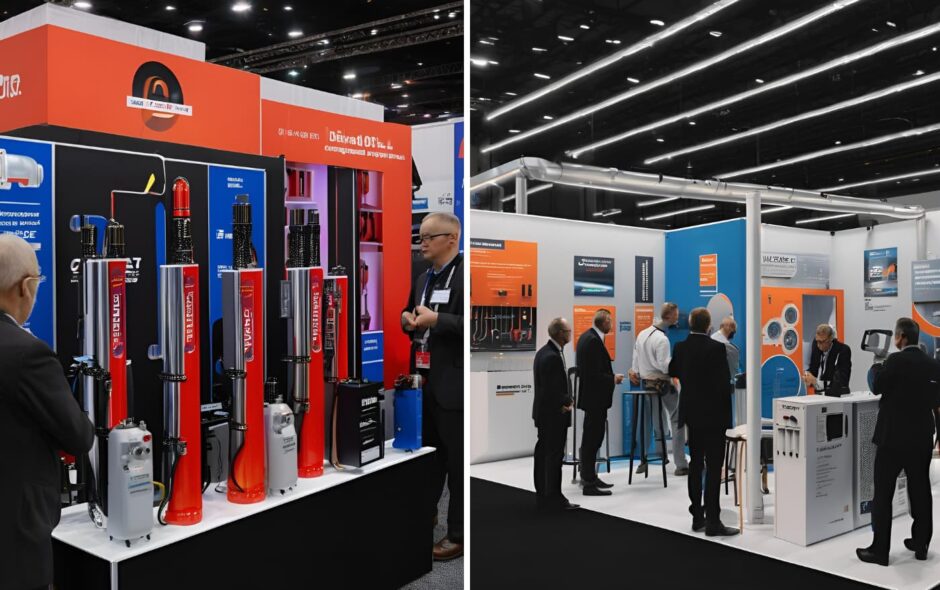
Compressed air systems are the backbone of many industrial operations, powering a wide range of tools, equipment, and processes. A critical component of any compressed air system is the piping that distributes the air throughout the facility. Selecting the right compressed air pipe suppliers is crucial to ensure the efficiency, reliability, and safety of your system. This article will guide you through the essential factors to consider when choosing a supplier, helping you make informed decisions for your compressed air needs.
Understanding Compressed Air Piping
Before diving into supplier selection, it’s essential to understand the basics of compressed air piping.
Types of Compressed Air Pipes
Various materials are used for compressed air piping, each with its advantages and disadvantages:
- Steel: Traditional choice, known for its strength and durability, but susceptible to corrosion.
- Black Iron: A type of steel pipe often used in older systems, but it’s prone to rust and requires regular maintenance.
- Galvanized Steel: Coated with zinc for corrosion resistance, but the coating can flake off over time, contaminating the air supply.
- Stainless Steel: Offers excellent corrosion resistance and durability, making it suitable for harsh environments, but it’s more expensive.
- Aluminum: Lightweight and corrosion-resistant, but not as strong as steel, and can be susceptible to damage from impact.
- Copper: Excellent corrosion resistance and is often used for smaller lines, but it’s relatively expensive.
- Polymer Pipes (e.g., PVC, HDPE, Nylon): Lightweight, corrosion-resistant, and easy to install, but they have lower pressure and temperature ratings compared to metal pipes.
Importance of Proper Piping
Properly designed and installed compressed air piping is crucial for:
- System Efficiency: Minimizes pressure drop and ensures adequate air flow to equipment.
- Air Quality: Prevents leaks and contamination that can damage equipment and affect product quality.
- Safety: Reduces the risk of pipe bursts and other hazards.
- Energy Savings: Efficient piping minimizes energy waste and lowers operating costs.
Key Factors to Consider When Choosing Compressed Air Pipe Suppliers
Selecting reliable compressed air pipe suppliers is essential for a successful compressed air system. Here are the key factors to consider:
Product Quality and Range
- Material Selection: Ensure the supplier offers a wide range of pipe materials suitable for your specific application and environment.
- Quality Standards: Look for suppliers who adhere to industry standards and certifications (e.g., ASTM, ISO) to ensure product quality and reliability.
- Pipe Sizes and Configurations: The supplier should offer a variety of pipe sizes and configurations to meet your system’s needs.
Expertise and Technical Support
- Experienced Staff: Choose suppliers with knowledgeable staff who can provide technical advice and assistance with system design and installation.
- Design and Engineering Support: Some suppliers offer design and engineering services to help optimize your compressed air system.
- Troubleshooting and Maintenance Support: Access to technical support for troubleshooting and maintenance issues is crucial for long-term system reliability.
Pricing and Value
- Competitive Pricing: Compare prices from multiple suppliers to ensure you’re getting a fair deal.
- Value-Added Services: Consider suppliers who offer value-added services like pipe cutting, threading, and delivery, which can save time and money.
- Total Cost of Ownership: Evaluate the total cost of ownership, including initial cost, installation, maintenance, and energy consumption, when comparing options.
Reputation and Reliability
- Industry Experience: Choose suppliers with a proven track record and extensive experience in the compressed air industry.
- Customer Reviews and Testimonials: Research online reviews and testimonials to gauge the supplier’s reputation and customer satisfaction.
- References: Ask for references from previous clients to get firsthand feedback on the supplier’s performance.
Logistics and Delivery
- Inventory Availability: Ensure the supplier has sufficient inventory to meet your project timelines.
- Delivery Options: Choose a supplier with flexible delivery options to meet your specific needs.
- Lead Times: Clarify lead times for delivery to avoid project delays.
Customer Service
- Responsiveness: Choose a supplier who is responsive to your inquiries and provides timely support.
- Communication: Effective communication is crucial throughout the process, from initial inquiry to post-sales support.
- Problem Resolution: The supplier should have a clear process for addressing and resolving any issues that may arise.
Additional Considerations for Choosing Compressed Air Pipe Suppliers
- Location and Accessibility: Consider the supplier’s location and accessibility for convenient pickup or delivery. If you’re in Miami, for example, you might prioritize local suppliers to reduce shipping costs and lead times.
- Environmental Considerations: If sustainability is a priority, look for suppliers who offer eco-friendly products and practices.
- Warranty and Guarantees: Inquire about warranties and guarantees on the pipes and related components.
Making the Final Decision
Choosing the best compressed air pipe supplier requires careful evaluation of all these factors. It’s essential to prioritize your specific needs and find a supplier who can meet those requirements effectively. Don’t hesitate to ask questions, request quotes, and compare options before making a final decision.
Conclusion
Selecting the right compressed air pipe suppliers is crucial for the success of your compressed air system. By considering factors like product quality, expertise, pricing, reputation, logistics, and customer service, you can make informed decisions that ensure the efficiency, reliability, and longevity of your compressed air piping. With careful planning and the right supplier partnership, you can optimize your compressed air system for peak performance and achieve your operational goals.